
Condensate technology
When compressing air in a compressed-air system, not only air is drawn in but also water vapour, oil, dust particles and other contaminants from the surrounding environment. These impurities enter the system and, after cooling and condensation, form a mixture of water, oil and dirt particles.
After compression, the air flows through an aftercooler, where heat is removed. During this process, water vapour condenses together with oil and dust particles. The result is oily condensate, which is collected via a condensate drain.
According to current environmental regulations, this polluted condensate may not be discharged directly into the sewage system. Compressor condensate contains harmful substances that can severely impact the environment.
A reliable condensate management system consists of:
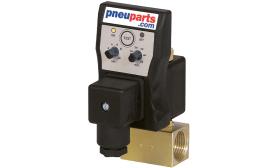
Automatic condensate drains: prevent accumulation and corrosion
Condensate filters and separators: protect the system from moisture and contaminants
Oil/water separators: separate oil from water in an environmentally friendly way
Monitoring and sensors: provide real-time control and predictive maintenance
This investment directly translates into lower operational costs by avoiding expensive specialised waste disposal and minimising unnecessary downtime.
Reduced maintenance and disposal costs
Increased operational reliability
Extended lifespan of compressed-air components
Compliance with environmental regulations and avoidance of legal risks
Let our specialists advise you on the most suitable condensate technology for your installation. Request a free, no-obligation consultation.
 |  |  |  |  |
NEED HELP ?
For individual technical advice or support, please contact one of our specialists.
We are available from Monday to Friday from 8 am to 5 pm (CET)
 | +31(0)493-763993 |
+31(0)493-763993
ORDERING SERVICE
Order pickup
You can collect your order on working days between 08:00 - 12:00 & 13:00 - 17:00, Florijn 10 b/c Deurne.
Same day delivery
Urgent orders can be delivered by a courier. Express shipments and courier services may be extra charged.
Orders are shipped the same day, if in stock, and delivered to you the next day by UPS.


