

In the world of hydraulic systems, reliable connections are indispensable. The ORFS fittings play a key role in this.
ORFS fittings stand for O-Ring Face Seal. These fittings are known for its 100% leak-proof connection (when fitted correctly), robust specifications and wide range of applications.
In this article, we will dive further into the technical basics of ORFS fittings. This gives you an overview of why these components are suitable for modern, reliable hydraulic applications.
ORFS (O-Ring Face Seal) fittings are hydraulic connections that seal via a flat metal connection in combination with an O-ring. They are used in systems where high pressure, vibration and leak-free operation are crucial. The fittings comply with the following standards:
SAE J1453
ISO 8434-3
An ORFS fitting has:
A flat metal sealing surface (face)
An elastic O-ring (usually NBR, Viton, or EPDM)
A straight UN/UNF thread that only provides the mechanical connection, not the seal

When mounted, the O-ring is pressed against the plane in an axial direction. This results in a stable, vibration-resistant and completely leak-free seal.
The thread does not provide sealing, but a solid mechanical connection. Each nominal size has a specific UNF thread and TPI (Threads per Inch). Correct assembly is essential for optimal performance.
No metal-to-metal seal wear
Compensates for slight misalignment
Good resistance to vibration
Very suitable for high pressure (up to ± 630 bar, depending on size)
Each ORFS fitting has a specific thread that belongs to that size.
Below is an overview of the most commonly used ORFS fittings:
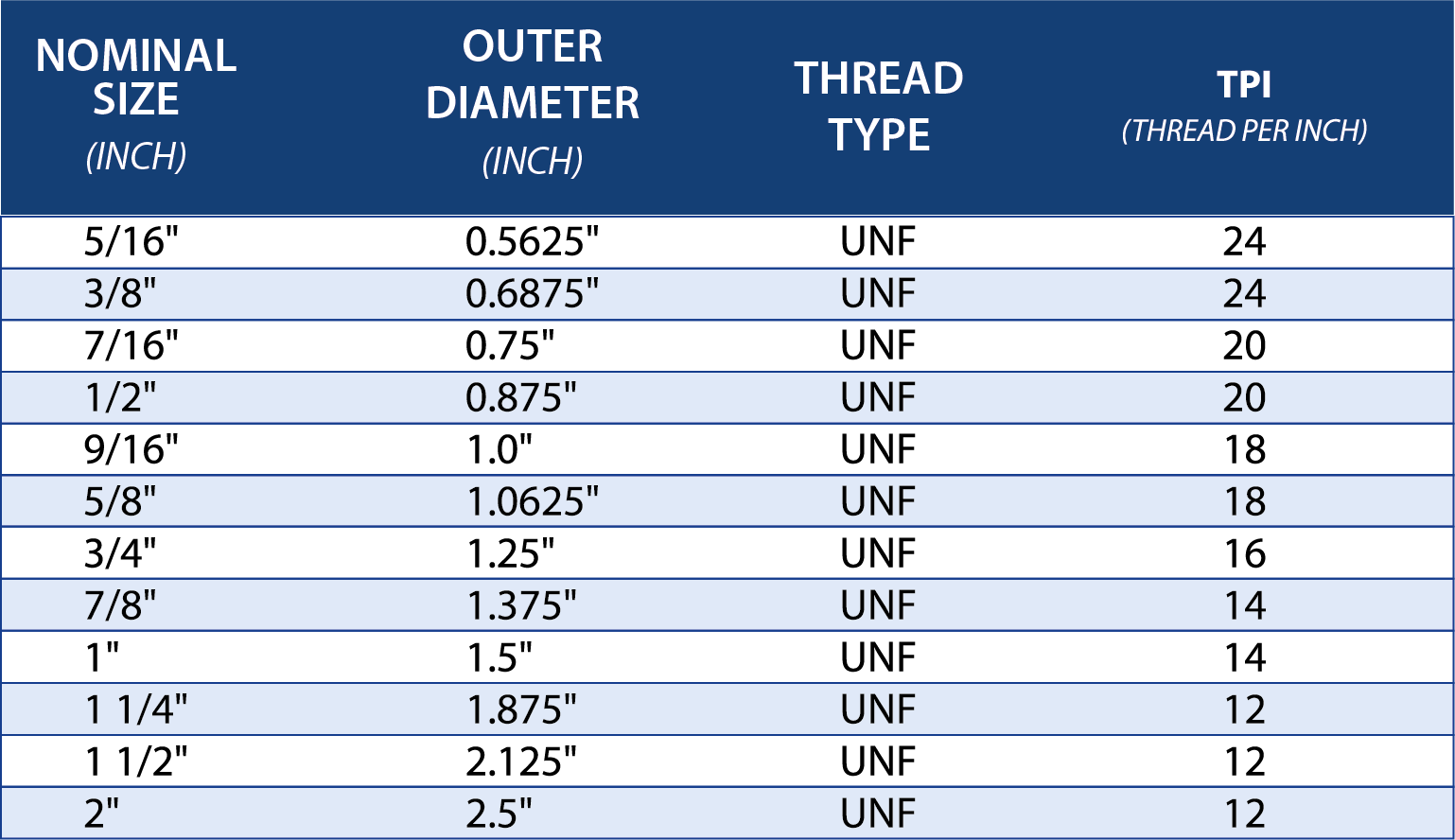
Nominal size: the "inch fraction" of the pipe/fitting
Outer diameter: diameter of the thread (not of the O-ring).
Thread type: standard UNF (Unified Fine Thread), usually used for ORFS
TPI: the number of threaded teeth per inch, important for fit.
ORFS is less about the diameter of the O-ring and more about the right thread and nominal size. The O-ring is in the "face" and provides the seal.
Discover ORFS fittings for hydraulic systems. 100% leak-proof connections, suitable for high pressure and vibrations. View our range here.
If you have any questions or need advice on choosing your ORFS fitting, please feel free to contact us and we will be ready to help you.
 |  |  |  |  |
NEED HELP ?
For individual technical advice or support, please contact one of our specialists.
We are available from Monday to Friday from 8 am to 5 pm (CET)
 | +31(0)493-763993 |
+31(0)493-763993
ORDERING SERVICE
Order pickup
You can collect your order on working days between 08:00 - 12:00 & 13:00 - 17:00, Florijn 10 b/c Deurne.
Same day delivery
Urgent orders can be delivered by a courier. Express shipments and courier services may be extra charged.
Orders are shipped the same day, if in stock, and delivered to you the next day by UPS.


